Scientists create cellular hybrids called 'planimals': what this means for science
Researchers at the University of Tokyo have successfully combined hamster and algae cells, creating stable hybrid structures capable of division.
 🎓Education
Photo: TSN
Key points
- Hybrid hamster and algae cells created
- Foreign DNA persisted for over 150 generations
- Hybrids are currently incapable of photosynthesis
An international team of scientists led by experts from the University of Tokyo has made a breakthrough in genetics by creating laboratory hybrids known as "planimals." During the experiment, researchers combined the genetic material of Chinese hamster cells with the single-celled red alga Cyanidioschyzon merolae.
Hybrid creation technology
To fuse cell membranes, the scientists used a substance called polyethylene glycol. This method allowed for the integration of approximately 16.3 million DNA base pairs from the algae into the mammal cell genome. The results showed that the resulting hybrids were remarkably stable: the foreign DNA was passed on to daughter cells even after 155 cycles of division without the need for additional selection.
Professor Sachihiro Matsunaga noted that the primary goal was to study the ability of chromosomes to overcome evolutionary barriers. Despite the successful combination of genomes, most of the algae genes in the new cells remain inactive due to the mammal's protective cellular mechanisms. At present, these planimals are not capable of photosynthesis, as they lack the necessary cellular structures known as chloroplasts.
Source TSN — tsn.ua/nauka_it/hibryd-roslyny-ta-tvaryny-vze-realnist-navishcho-vcheni… ↗
Read next
 👥Society
Interactive Housing Map for IDPs: New Opportunities for Communities
Ukraine is developing an interactive digital map to help internally displaced persons find properties suitable for long-term housing.
 🛡️Security
Court upholds detention of woman posing as paramedic during clashes at National Guard facility
The Kyiv Court of Appeal has rejected the appeal of a suspect involved in blocking a National Guard unit and spreading disinformation.
 🛡️Security
Putin threatens 'inevitable response' to attacks on Russian oil refineries
Vladimir Putin has threatened retaliation following Ukrainian drone strikes on Russian fuel processing facilities.
 🛡️Security
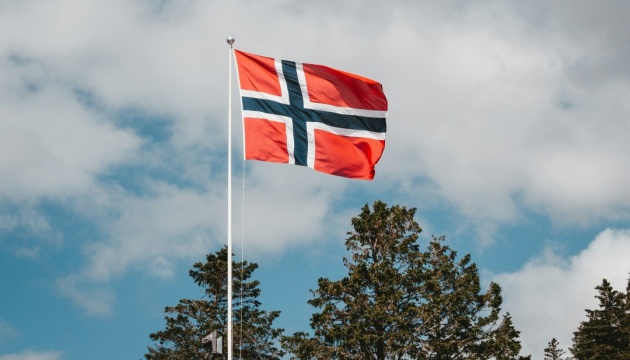
Norway in Talks with Ukraine over Attacks on Russian Ships in the Baltic Sea
Norway is maintaining a dialogue with Ukraine regarding international law and regional stability following incidents involving Russian vessels in the Baltic region.
 🛡️Security
Uมิ Army Officer Suspected of Torturing Subordinates Extradited from Moldova
Senior Lieutenant Vladyslav Pastukh has been returned to Ukraine from Moldova to face charges of abusing servicemen.
 👥Society
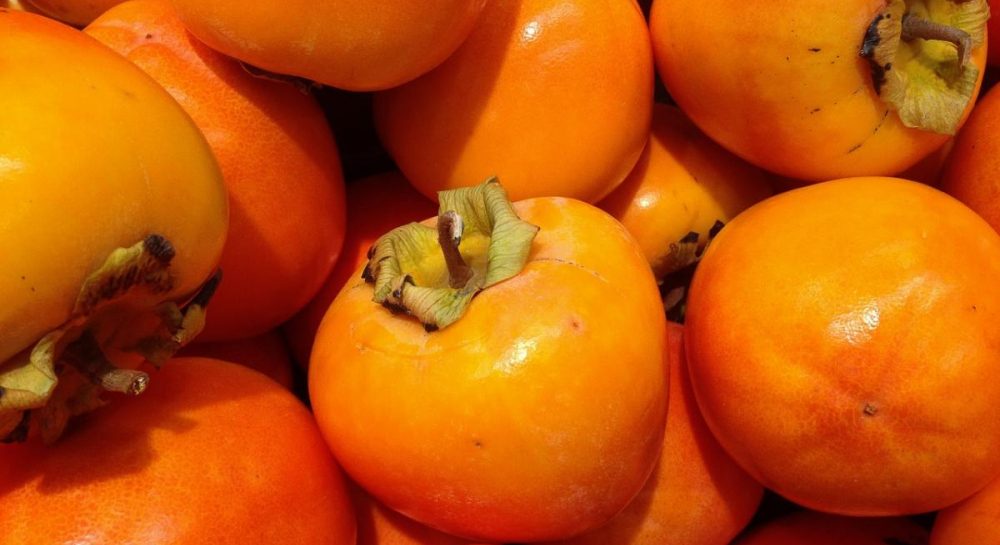
Persimmon Season in Voznesensk: Health Benefits of the Autumn Fruit
The persimmon season has arrived in local markets, offering residents a rich source of vitamins, fiber, and energy to support health during autumn.