Two-part heat tariff: how the distributed payment model works
We analyze the features of the two-part heating tariff, which involves splitting payments into fixed and variable components.
 💼Economy
Photo: up.mk.ua
Key points
- Splitting the tariff into fixed and variable components
- Even financial burden throughout the year
- Incentivizing consumer energy efficiency
In the utility sector, there is increasing discussion about transitioning to a two-part payment model for thermal energy. This system, already successfully operating in several Ukrainian regional centers, involves splitting the bill into two distinct parts: a variable component and a fixed component.
Billing structure
The first component of the tariff depends directly on the volume of heat consumed. It covers fuel and electricity costs required for the generation and transportation of the resource. This part of the bill encourages consumers to implement energy efficiency measures, as reducing consumption directly affects the total amount due.
The second part, the fixed component, is paid in equal installments throughout the year. It includes costs for network maintenance, staff salaries, routine repairs, and equipment depreciation. This model allows heat supply companies to consistently finance infrastructure upgrades rather than relying solely on seasonal revenue.
Consumer benefits
The main argument in favor of this system is the even distribution of the financial burden. Instead of high bills only during the heating season, consumers have the opportunity to spread a portion of the costs over 12 months. This not only reduces the risk of debt accumulation but also provides companies with a stable cash flow to prepare for future seasons.
Source up.mk.ua — up.mk.ua/uk/articles/193791 ↗
Read next
 👥Society
Interactive Housing Map for IDPs: New Opportunities for Communities
Ukraine is developing an interactive digital map to help internally displaced persons find properties suitable for long-term housing.
 🛡️Security
Court upholds detention of woman posing as paramedic during clashes at National Guard facility
The Kyiv Court of Appeal has rejected the appeal of a suspect involved in blocking a National Guard unit and spreading disinformation.
 🛡️Security
Putin threatens 'inevitable response' to attacks on Russian oil refineries
Vladimir Putin has threatened retaliation following Ukrainian drone strikes on Russian fuel processing facilities.
 🛡️Security
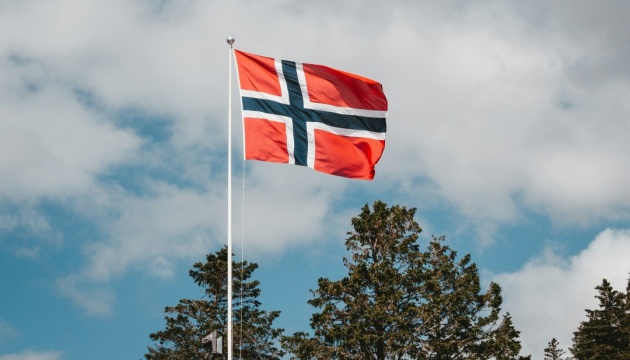
Norway in Talks with Ukraine over Attacks on Russian Ships in the Baltic Sea
Norway is maintaining a dialogue with Ukraine regarding international law and regional stability following incidents involving Russian vessels in the Baltic region.
 🛡️Security
Uมิ Army Officer Suspected of Torturing Subordinates Extradited from Moldova
Senior Lieutenant Vladyslav Pastukh has been returned to Ukraine from Moldova to face charges of abusing servicemen.
 👥Society
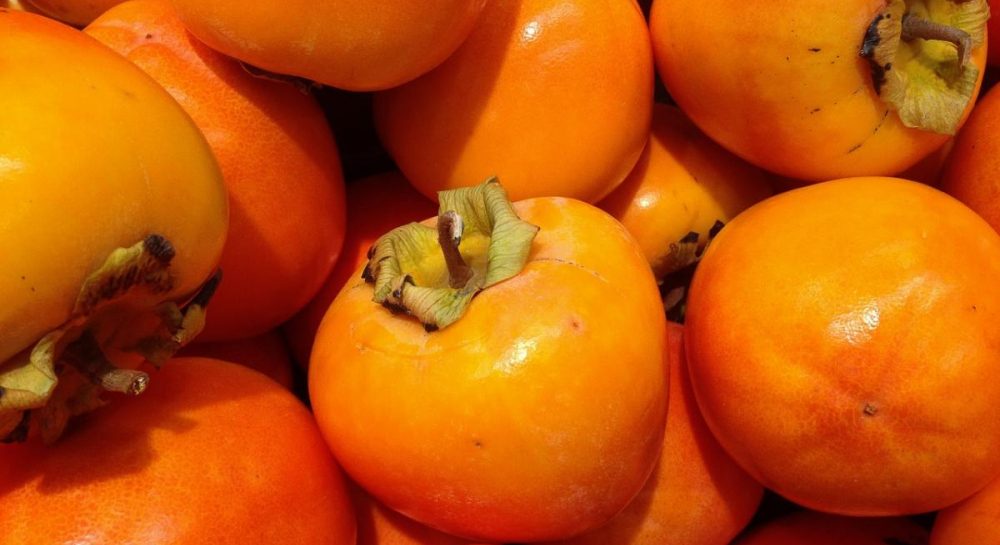
Persimmon Season in Voznesensk: Health Benefits of the Autumn Fruit
The persimmon season has arrived in local markets, offering residents a rich source of vitamins, fiber, and energy to support health during autumn.